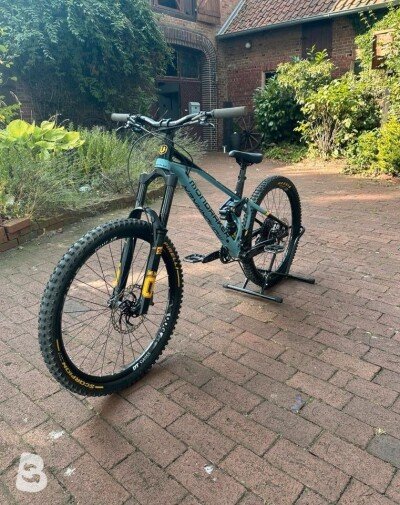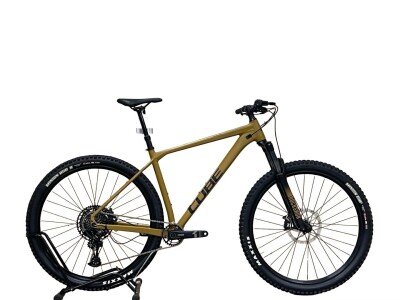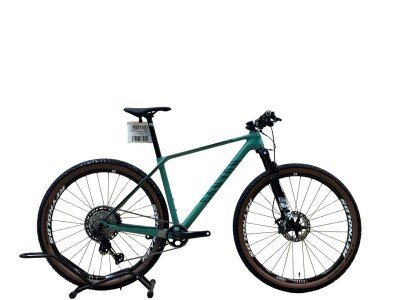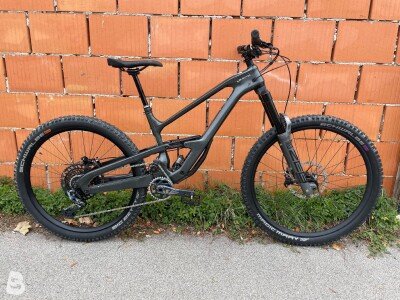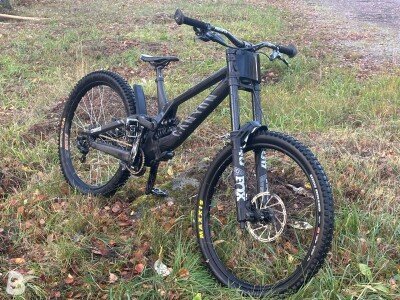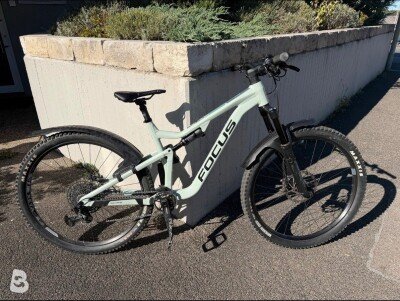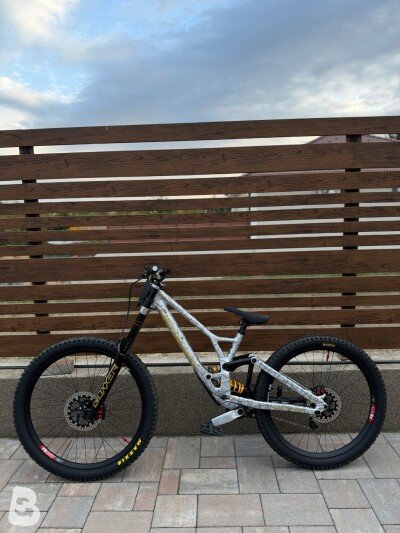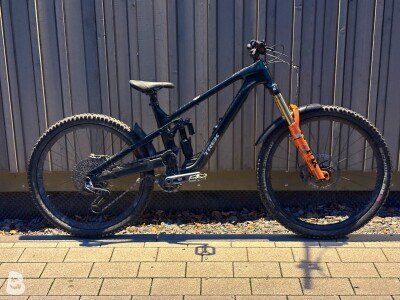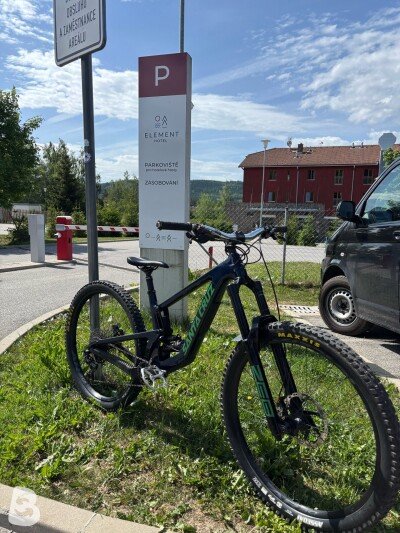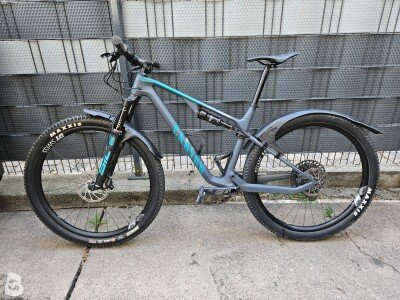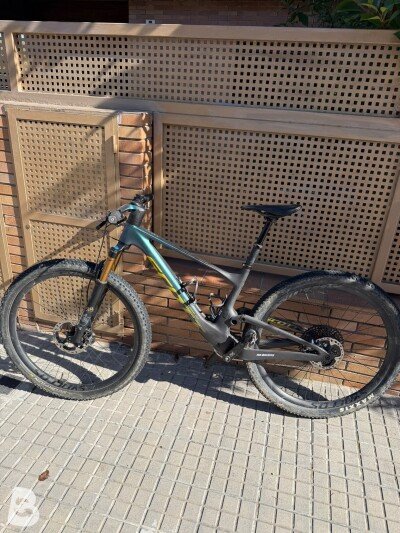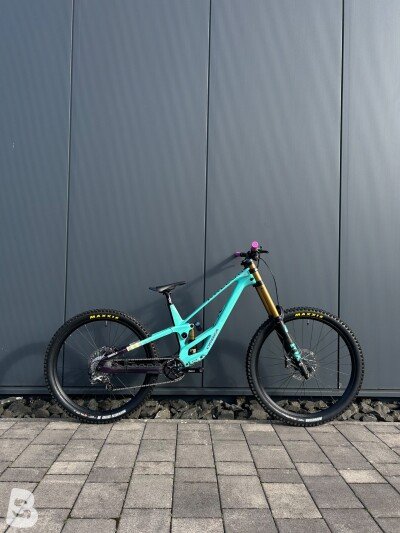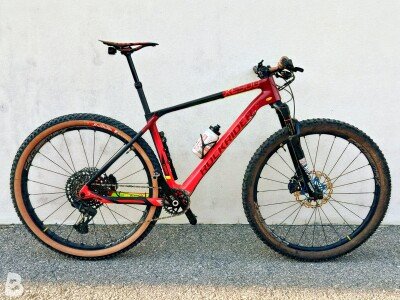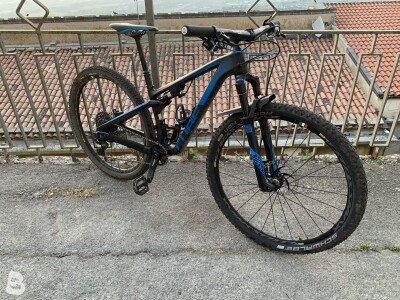
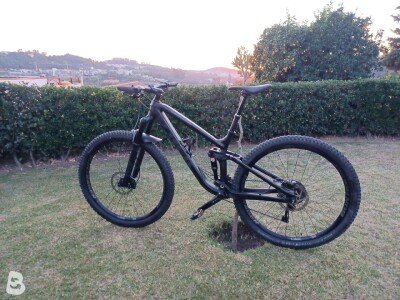
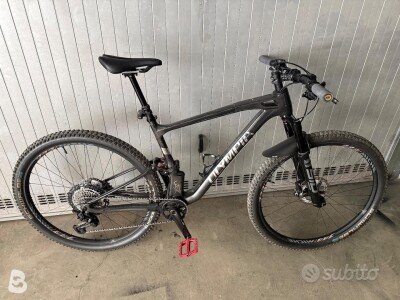
Cube AMS 100 C:68 Race 2017
Size S • Good • 29"1
1.700 €
€ 4.999 new-66%
Find used and refurbished mountain bikes from top brands like Canyon, Santa Cruz and Trek. From trail bikes to enduro rigs, a model for every trail.
Find used and refurbished mountain bikes from top brands like Canyon, Santa Cruz and Trek. From trail bikes to enduro rigs, a model for every trail.
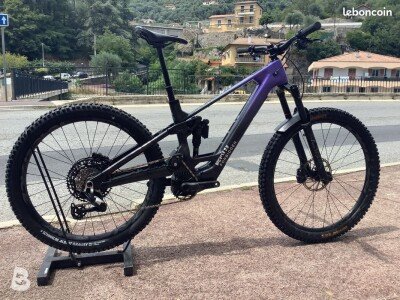
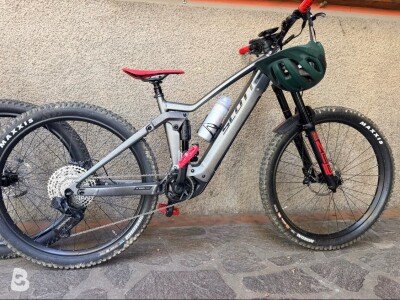
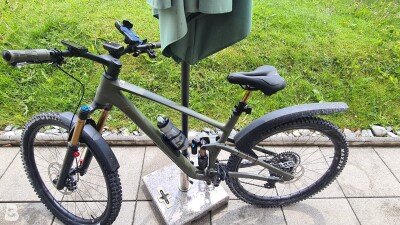
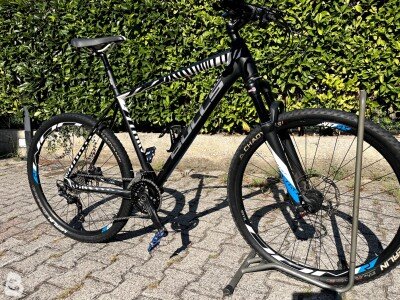
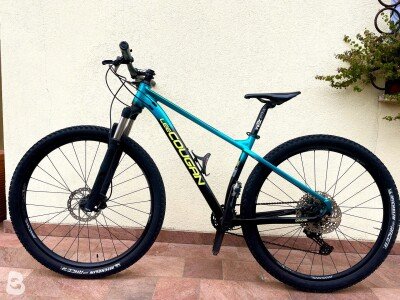
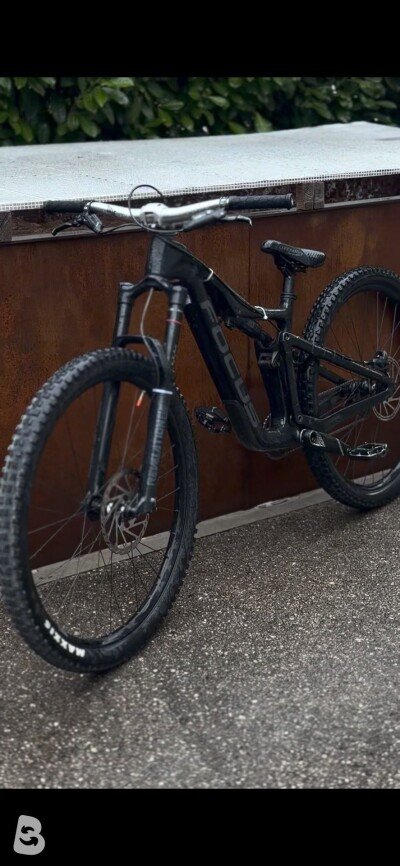
Choosing the right mountain bike depends mainly on where and how you ride. Different MTB categories are designed for specific terrains and riding styles, from fast cross country trails to technical enduro and downhill tracks.
Before buying a mountain bike, consider the type of terrain you ride most often, how much climbing and descending you do, and whether you prioritize versatility or maximum control.
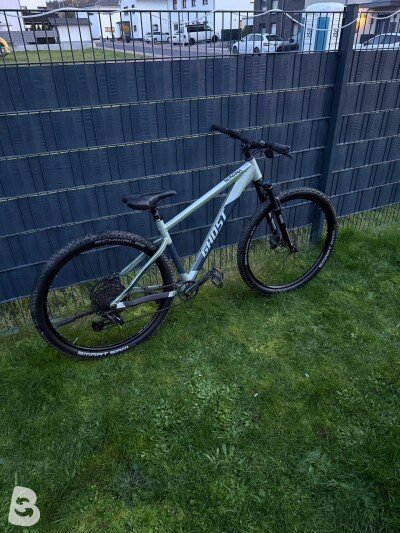
XC / Marathon: Ideal if you are looking for a lightweight, fast and efficient mountain bike for long distances. Perfect for trails which typically include a mix of flat and uphill sections, and descents ridden at a slow to moderate speed. Cross Country (XC) bikes come in two forms: hardtail and full suspension. You should first decide if you want to go for a more climbing oriented bike with no rear suspension or prefer a fully that offers slightly more comfort for going down trails. Typically full suspension cross country bikes offer a rear suspension of up to 120mm with similar suspension in the front.
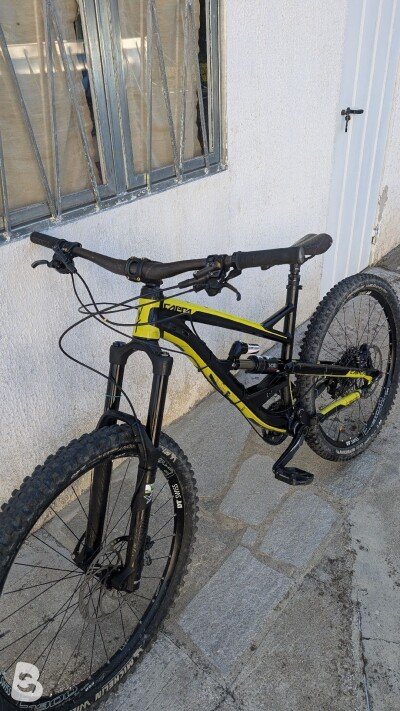
Trail / All Mountain: The most versatile choice if you want one bike for climbs, descents and technical trails. They offer a great balance between pedaling efficiency and downhill capability. Trail bikes typically are full suspension bikes with a suspension of 130mm to 150mm, but come in very different versions. Short travel trail bikes are pretty much the more comfortable XC bikes and might still climb quite efficiently, while longer travel trail bikes lean into the category of enduro bikes and might be better fitting for you if you prefer to go down rougher trails.
Enduro: Designed for riders who prioritize technical descents but still want to pedal to the top. More stable and robust than a trail bike, but also heavier. Enduro bikes typically offer suspension travel of 160mm and more, which makes their geometry more fitting for going down, than going up. Yet, professional enduro riders climb mountains with this type of bikes regularly, just not as fast and comfortable as on an XC bike. Going down nevertheless, enduro bikes often come close to the speeds of downhill bikes and are enough for most blue and red (and even some black) bikepark trails.
Downhill: Built for steep, fast descents, jumps and bike parks. Downhill bikes offer maximum control downhill but are not designed for climbing or long rides. Typically downhill bikes are only used when chairlifts or gondolas are available for going uphill, as the geometry and travel (200mm and above) just don't allow the bikes to climb uphill.
Fatbike: Ideal for snow, sand and very soft terrain thanks to its extra wide tires. Fatbikes provide excellent grip and stability, but roll less efficiently on regular trails. Fatbikes typically come as hardtails with tire widths of 3.8 inches upwards, so it's quite easy to distinguish a fatbike from a classic mountain bike. Fatbikes were quite trendy a few years ago, nevertheless this trend seems to have slowed down lately and fatbikes are rarely seen on the trails nowadays.
Choosing the right mountain bike frame size is essential for comfort, control and performance on the trails.
Start with your height and inseam (= the inner leg length measured from your crotch down to your ankle), then compare them with the manufacturer's MTB size chart, as sizing can vary between brands.
If you are between two sizes, think about your preferred riding style again: a smaller frame usually feels more agile and playful, while a larger one offers more stability. For most riders, choosing the right frame size is mainly about matching their height, and sometimes inseam, with the manufacturer's recommended size range. Personal preference becomes more relevant when you fall between two sizes or when you are particularly sensitive to differences in bike fit and handling.
For a complete bike size chart and more tips on choosing the right frame size, read our full guide on bike sizing.
Choosing the right bike components often comes down to compatibility, riding needs and budget. There are many brands and models available, and in many cases there is no single "best" option. For example, choosing between Fox and RockShox suspension often depends on riding feel, setup preferences and price rather than a clear difference in overall quality.
Higher end bikes may also feature electronic shifting systems, such as SRAM AXS or Shimano Di2, as well as more advanced suspension setups with greater adjustability. These technologies can improve precision, convenience and customization, but they are not necessary for most riders.
In the end the choice for the right bike comes down to your personal preference and the type of terrain you are going to ride on most of the time. Take some time and think about what you really want to get from your bike. With this in mind browse Bikeflips wide range of used and refurbished mountain bikes and you will for sure find a bike that is perfect for you. Make use of bikeflips secure payment, fully insured shipping and enjoy riding your new bike as soon as possible!