Bikepacking: Gravel vs MTB vs Road compared
Find the best bike for bikepacking. Compare gravel, MTB and road bikes to choose the right one for your next adventure.


At a glance
Road if your trip is almost entirely asphalt.
Gravel if you're riding mixed terrain.
MTB if your route includes technical trails or alpine terrain.
Not sure? Here's exactly how to choose.
The right bike for bikepacking depends on the terrain, not on trends. In this guide, you will find out what bikepacking actually is, what to look for in tire clearance, mounting points and gearing before you buy, and how gravel bikes, mountain bikes and road bikes compare for loaded, multi-day riding. Mostly asphalt points you to a road bike, mixed surfaces and gravel roads point you to a gravel bike, and trails or alpine terrain point you to an MTB. You will also get concrete model recommendations for each type, plus the argument most guides skip: a good used bike is often the smartest, most reliable way to get started with bikepacking.
After watching more than 10,000 bikes sold on Bikeflip in the last 2 years, we keep seeing the same pattern: riders overthink the brand and underthink the terrain. This guide is built on what we actually see people ride, and buy, for their bikepacking trips.
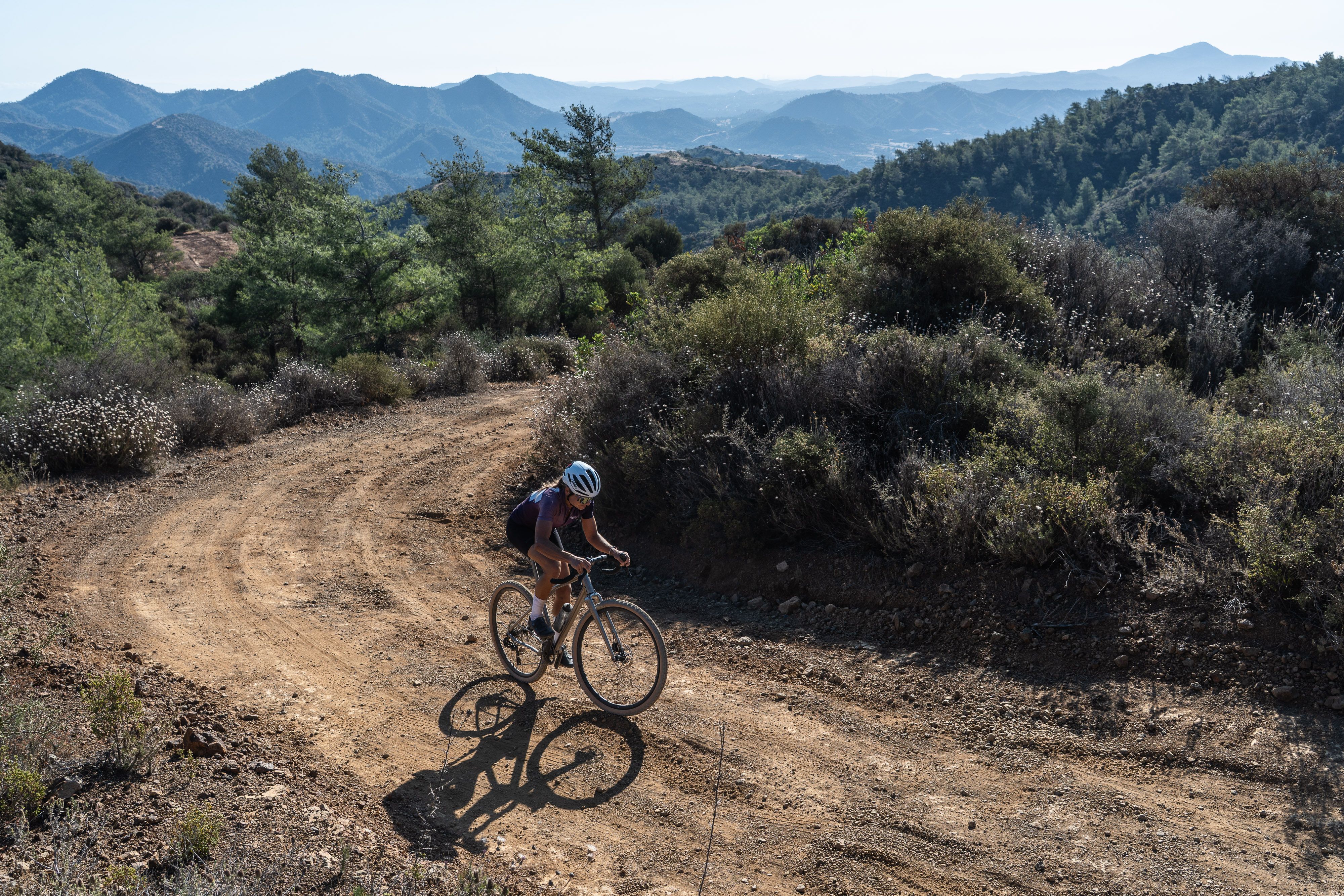
What is bikepacking?
Bikepacking is multi-day, self-supported bike travel where you carry your gear in lightweight bags mounted directly to your frame, saddle and handlebar, instead of racks and panniers.
Compared to classic bike touring, a bikepacking setup is lighter and more agile, and it works just as well on gravel roads and trails as it does on tarmac. The concept grew out of long-distance mountain bike races in the US, and today it covers everything from a single overnight microadventure close to home to multi-week ultra-distance routes across continents.
What makes a good bikepacking bike?
Before comparing bike types, it helps to know what you are actually looking for. A few criteria matter more than any brand name or spec sheet.
Terrain and intended use
This is the single most important question you need to answer before buying anything. Will you mostly ride asphalt, gravel and forest roads, or technical singletrack?
Tire clearance
Wider tires run at lower pressure mean more comfort and more grip, which matters a lot once you add the weight of your luggage. As a rough guide: 30 to 35 mm for asphalt-focused riding, 40 to 50 mm for gravel, and 2.2 inches or more for trails.
Mounting points
Bosses for bottle cages, fork bags, racks and fenders give you flexibility in how you pack. The more mounts your frame has, the more options you have for splitting the load.
Gearing
Once you add luggage, you need genuinely low climbing gears. A sensible gear range that lets you spin up a loaded climb matters far more than the total number of gears on the cassette.
Geometry and comfort
A slightly more upright, stable geometry beats an aggressive race position over long, loaded days in the saddle.
Reliability and maintenance
Simple, robust parts such as mechanical shifting and standard, widely available components are worth their weight in gold when you are far from a bike shop. We regularly see riders choosing a well-worn mechanical groupset over a brand-new electronic one for exactly this reason: it is easier to fix on the roadside with a multitool than with a laptop. This is exactly why well-maintained used bikes are so popular for bikepacking: you are not paying extra for the newest groupset, you are paying for tech that already works.
As for frame material, aluminium is light and affordable, carbon shaves off more weight but needs more care when you strap bags directly to the tubes, and steel is heavier but famously forgiving and easy to repair on the road. None of the three is wrong for bikepacking, it comes down to budget and priorities.
Bike type comparison for bikepacking | |||
Type | Road | Gravel | MTB |
|---|---|---|---|
Asphalt | ★★★★★ | ★★★★ | ★★ |
Gravel | ★ | ★★★★★ | ★★★★ |
Trails | ★★ | ★★★★★ | |
Bikepacking bags | ★★ | ★★★★★ | ★★★★ |
Average speed | ★★★★★ | ★★★★ | ★★ |
Bikepacking with a gravel bike: the all-rounder
If you only get to own one bike for bikepacking, a gravel bike is the safest bet, and it is also why gravel bike bikepacking has become the default recommendation almost everywhere. It combines the speed and efficiency of a road bike with enough off-road capability to handle gravel roads, forest tracks and light trails. Gravel bikes are also, by a wide margin, the type we see sold most often on Bikeflip for bikepacking, which tells you something about how riders actually vote with their money.
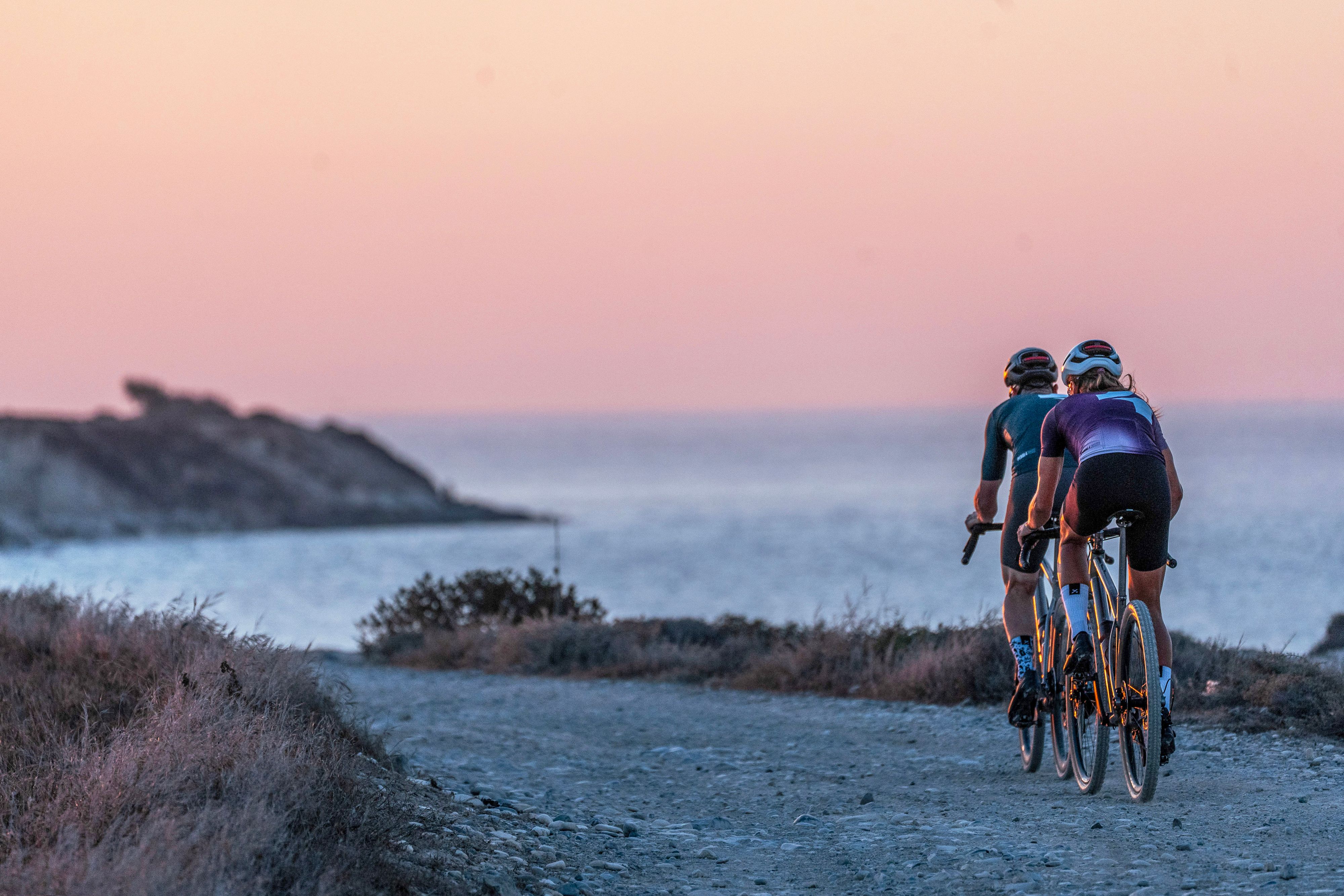
That said, the ideal bike still depends on the route. Marco, Marketing Manager at Bikeflip, completed the Camino de Santiago twice using two completely different setups. For the classic French way he chose a gravel bike, appreciating its efficiency over hundreds of kilometres of mixed roads and gravel. For the far more demanding Northern Route, with its constant climbs, rougher terrain and the crossing of the Pyrenees, he switched to a mountain bike, which proved invaluable on several technical sections where comfort and control mattered more than outright speed.
For bikepacking specifically, look for 40 to 50 mm tire clearance, a full set of mounting bosses on the fork, frame and seatstays, a 1x or compact 2x drivetrain with a genuinely low climbing gear, and a stack height that keeps your position comfortable rather than aggressive.
His experience highlights a simple reality: there is no universally "best" bikepacking bike. The best choice is the one that matches the terrain you'll actually ride.
Pros of a gravel bike: versatile on both asphalt and gravel, quick and light, a huge range of compatible bags and accessories, and it doubles as your daily commuter when you are not on tour.
Cons of a gravel bike: it reaches its limits on technical trails, offers less cushioning than a full mountain bike, and the top models are expensive when bought new.
The best gravel bikes for bikepacking
Canyon Grizl is the bikepacking specialist in Canyon's range, with clearance for tires up to 50 mm and mounts practically everywhere you would want one. Take a look at all Canyon Grizl bikes on Bikeflip
Canyon Grail trades a little off-road capability for speed, making it the better pick if you plan long distances with a lighter setup. Browse all Canyon Grail bikes on Bikeflip
Not sure which bike is right for you? Read our full comparison here.
Rose Backroad and its sportier sibling, the Rose Backroad FF, are versatile carbon all-rounders that handle mixed terrain with ease. Check out all Rose Backroad bikes on Bikeflip
Orbea Terra offers balanced adventure geometry and strong value, making it a smart shortlist entry if budget is a factor. Discover all Orbea Terra bikes on Bikeflip
If you are just starting out and want to keep costs low, a budget-friendly option such as a Cube Nuroad or a Decathlon Triban GRVL can also get the job done for your first trips.
Discover used gravel bikes on Bikeflip. Top gravel bikes for bikepacking are available for up to 70% less than new: browse all gravel bikes →
Shopping for your first gravel bike? Explore our top entry-level picks here.
Want to put your new bike to the test? Check out our roundup of the best gravel races in Europe for 2026.
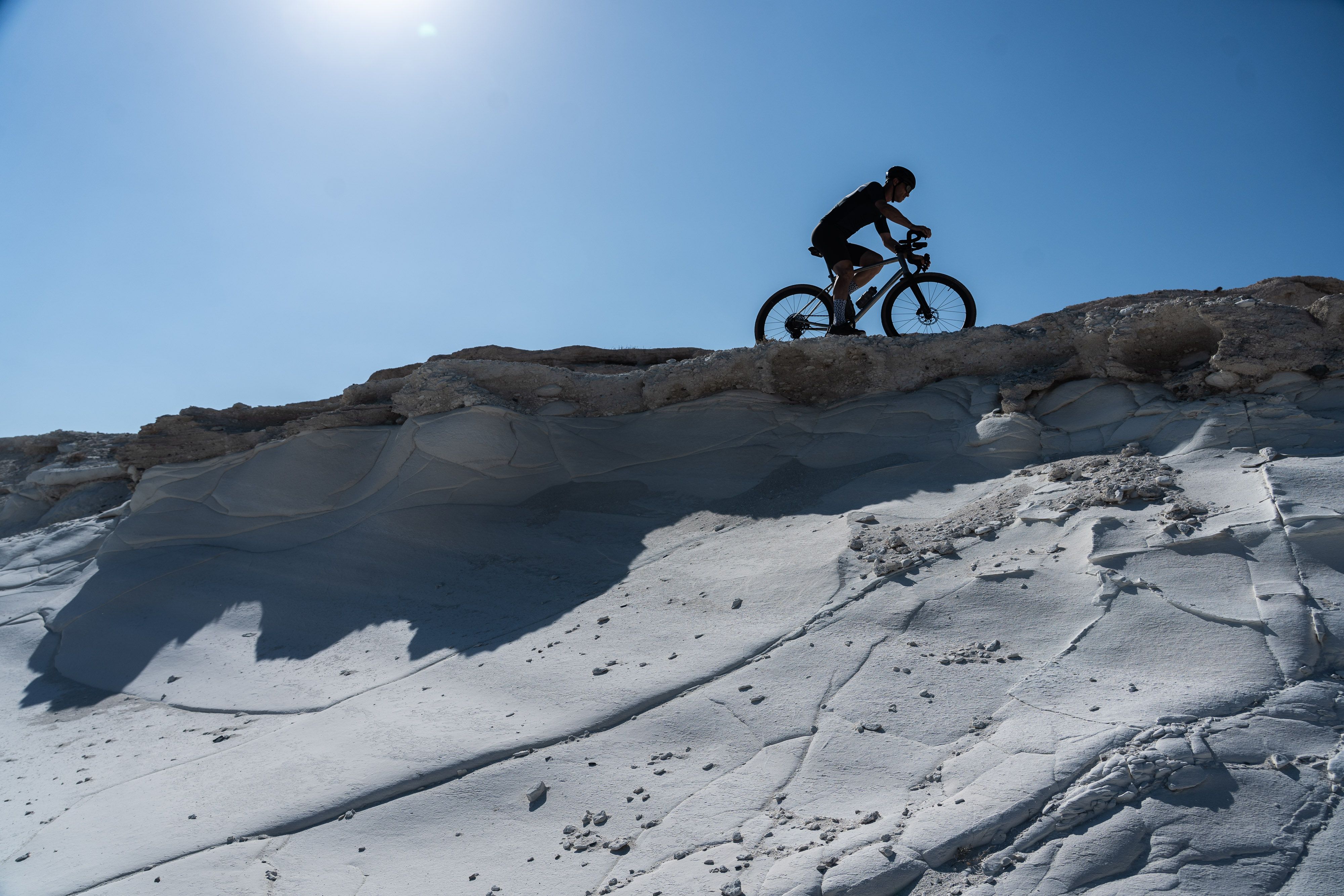
Bikepacking with an MTB: for trails and alpine adventures
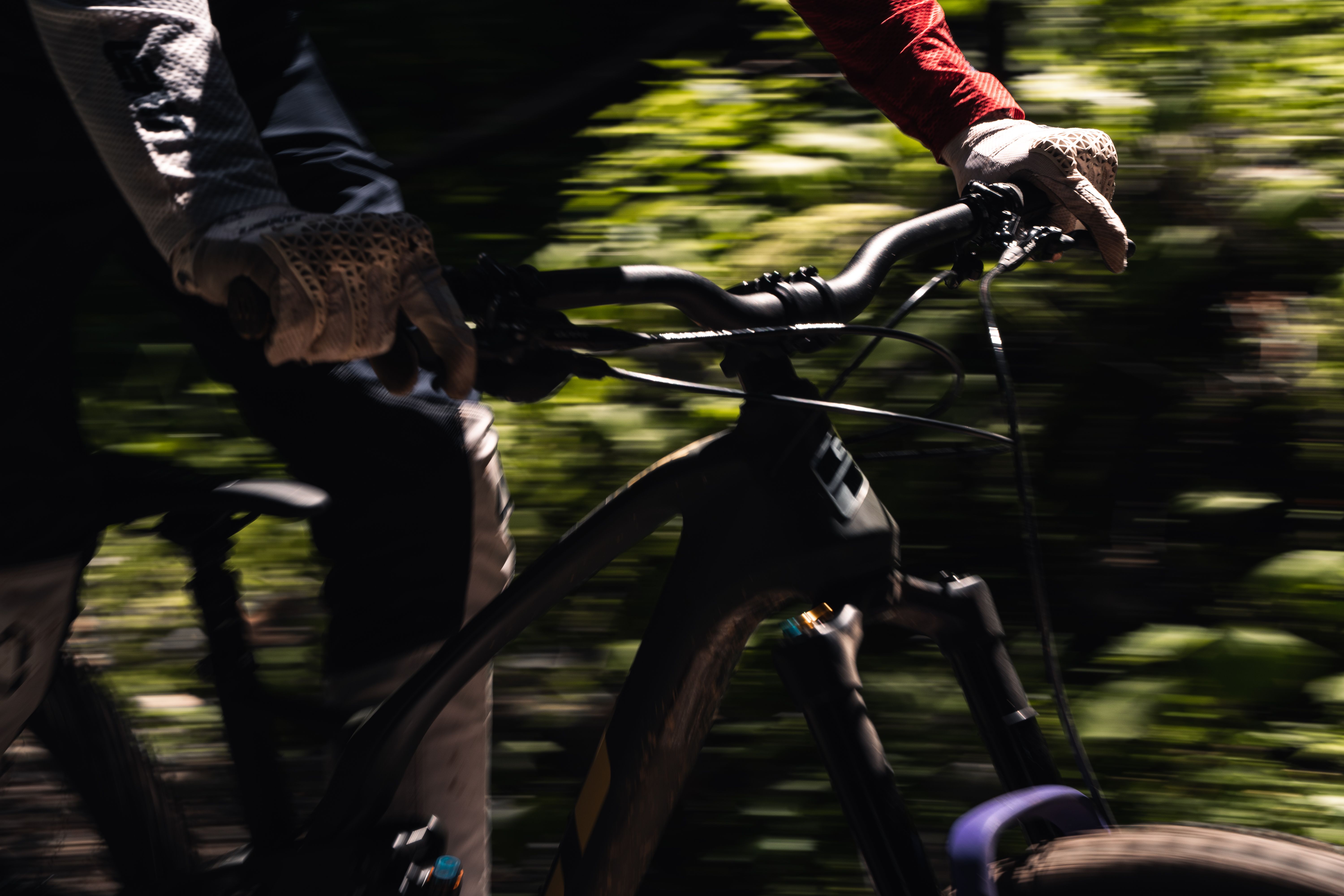
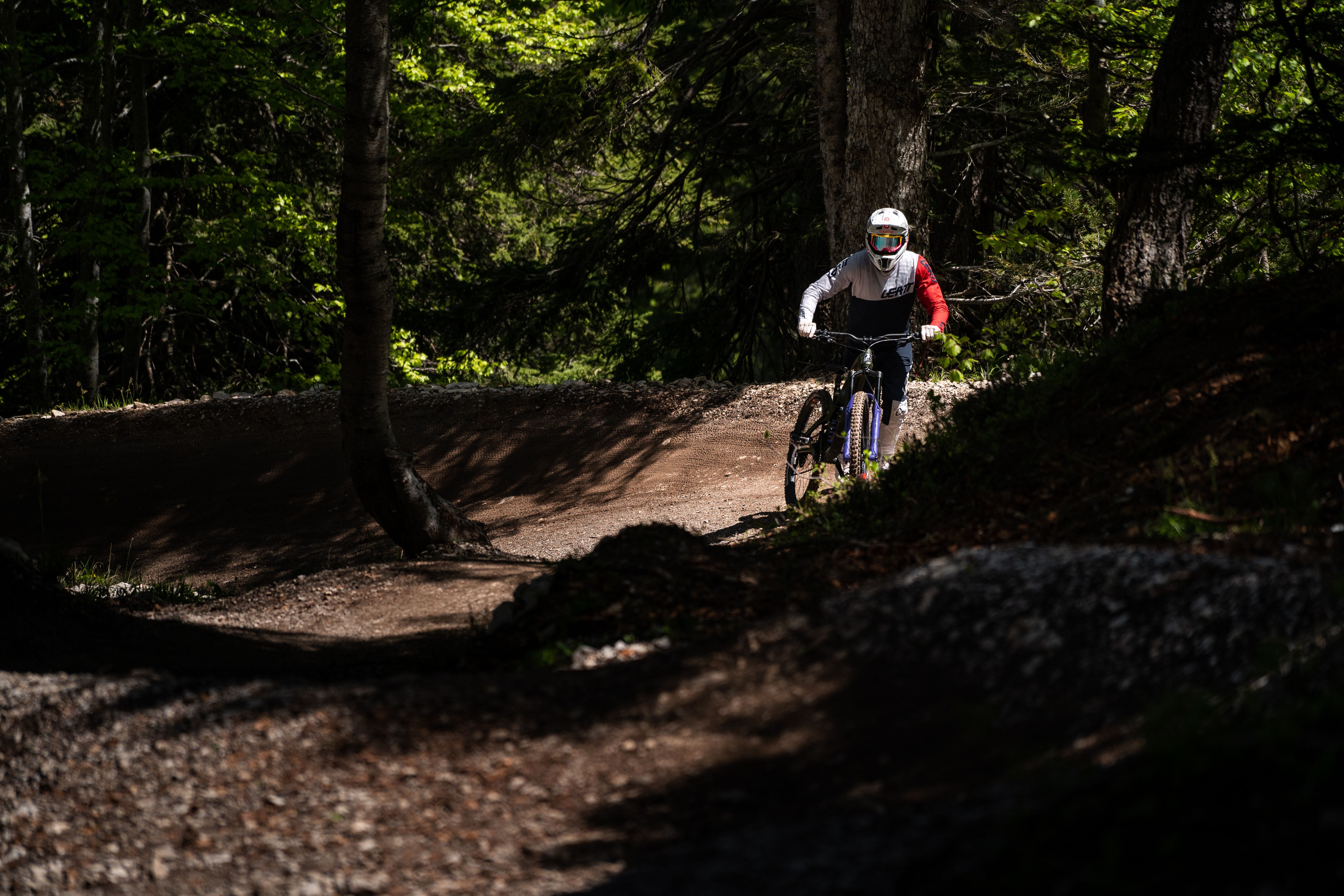
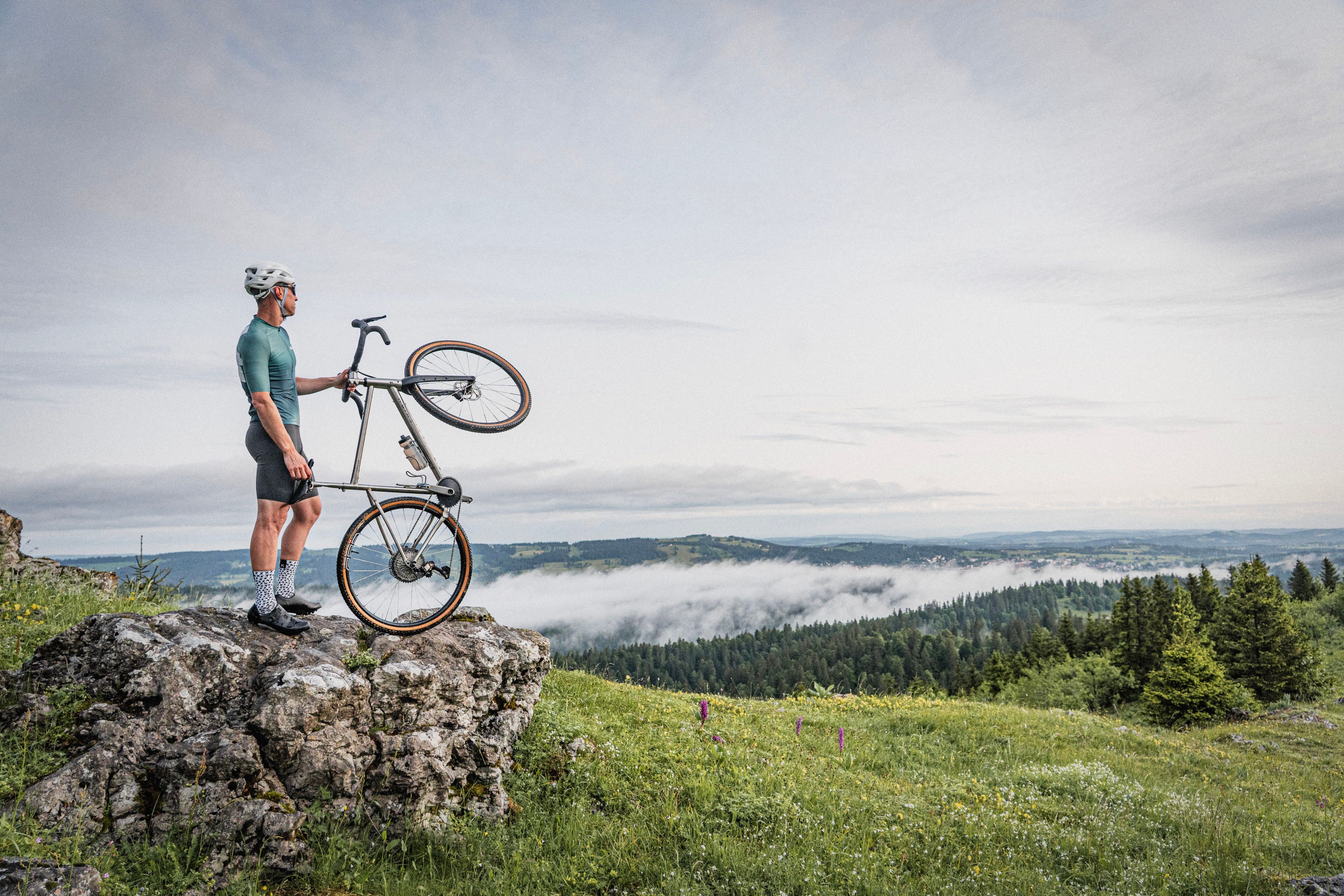
When your route leaves gravel roads behind and heads into singletrack, alpine terrain or rough forest tracks, a mountain bike is where you want to be. It is also the better choice if you are planning to carry heavier loads over rough ground, since the wider tires and more relaxed geometry absorb a lot of what the trail throws at you.
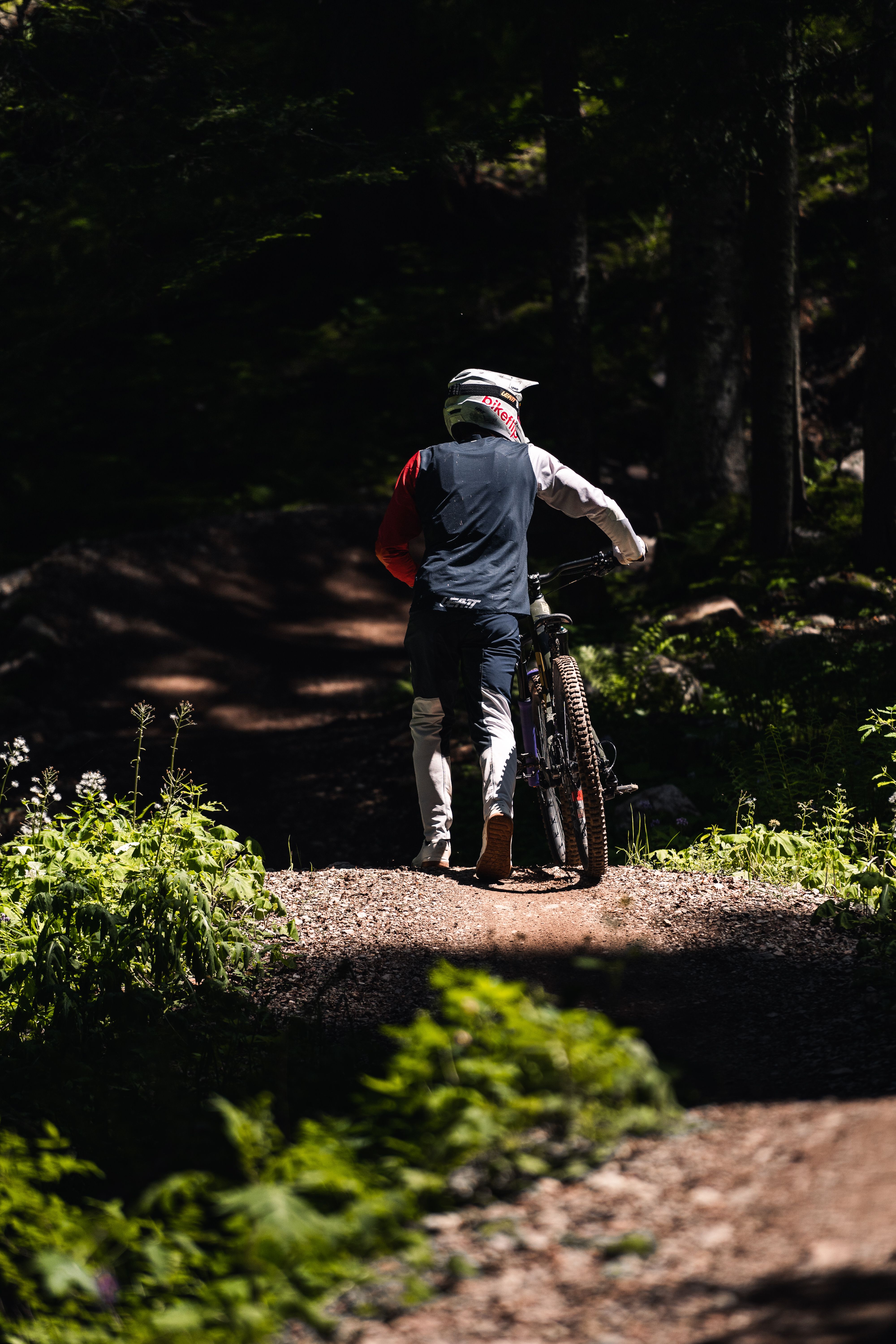
Hardtail or full suspension for bikepacking?
Hardtail is the best compromise for most bikepackers: it is lighter and cheaper than a full suspension bike, leaves more room in the front triangle for a frame bag, and needs less maintenance on a long trip. This is the recommendation for most riders heading into bikepacking MTB territory.
Full suspension gives you more comfort and control on genuinely technical terrain, but it comes at a cost: more weight, a rear shock that eats into your frame bag space, and more servicing needs. Save it for routes where the terrain actually demands it. When we asked experienced bikepackers about this trade-off, the answer was almost always the same: bring a MTB only if the route genuinely needs it, otherwise it is dead weight for most of the trip.
Pros: excellent control and traction off-road, robust construction, strong load capacity, and suspension comfort on rough ground.
Cons: slower on asphalt, heavier overall, and a flat handlebar gives you fewer hand positions over long days (ergonomic grips or bar ends help with this).
The best MTBs for bikepacking
Canyon Exceed is a light XC hardtail that stays quick even once it is loaded up. Have a look at all Canyon Exceed bikes on Bikeflip
Canyon Grand Canyon is a hardtail all-rounder with a generous set of mounting points. Browse all Canyon Grand Canyon bikes on Bikeflip
Specialized's Chisel or Epic HT are both XC hardtails worth shortlisting if you want options beyond Canyon.
For genuinely technical routes, a full suspension pick such as the Specialized Epic or Canyon Lux is worth the extra weight and maintenance.
Discover used mountain bikes on Bikeflip: browse all mountain bikes →
New to MTB riding? Discover the best entry-level MTB bikes of 2026 here.
Bikepacking with a road bike: fast and minimalist
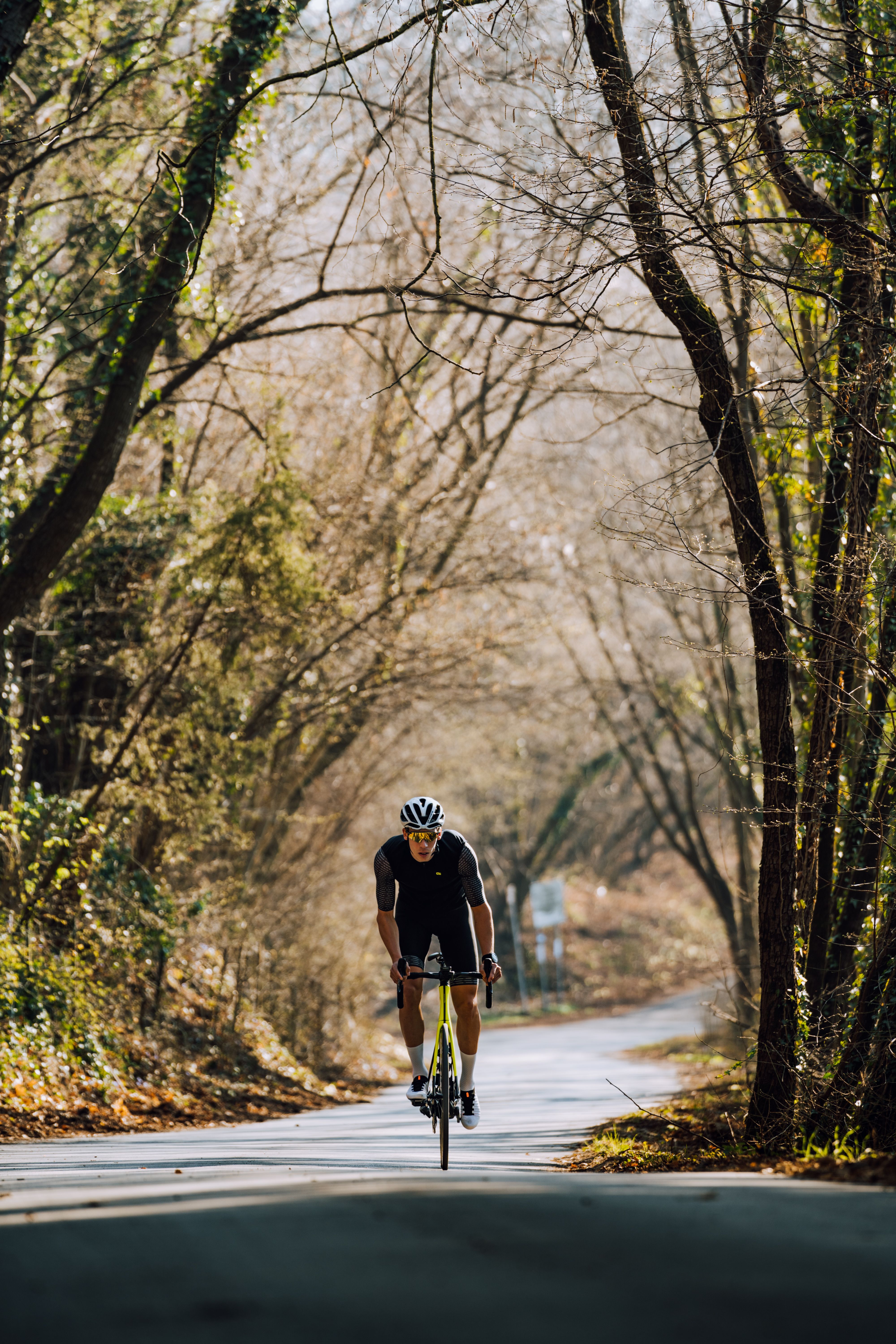
If your route stays on tarmac, a road bike is hard to beat. This is the niche for asphalt-only touring, credit card touring and ultralight setups, where 150 km days are a realistic target rather than a stretch goal.
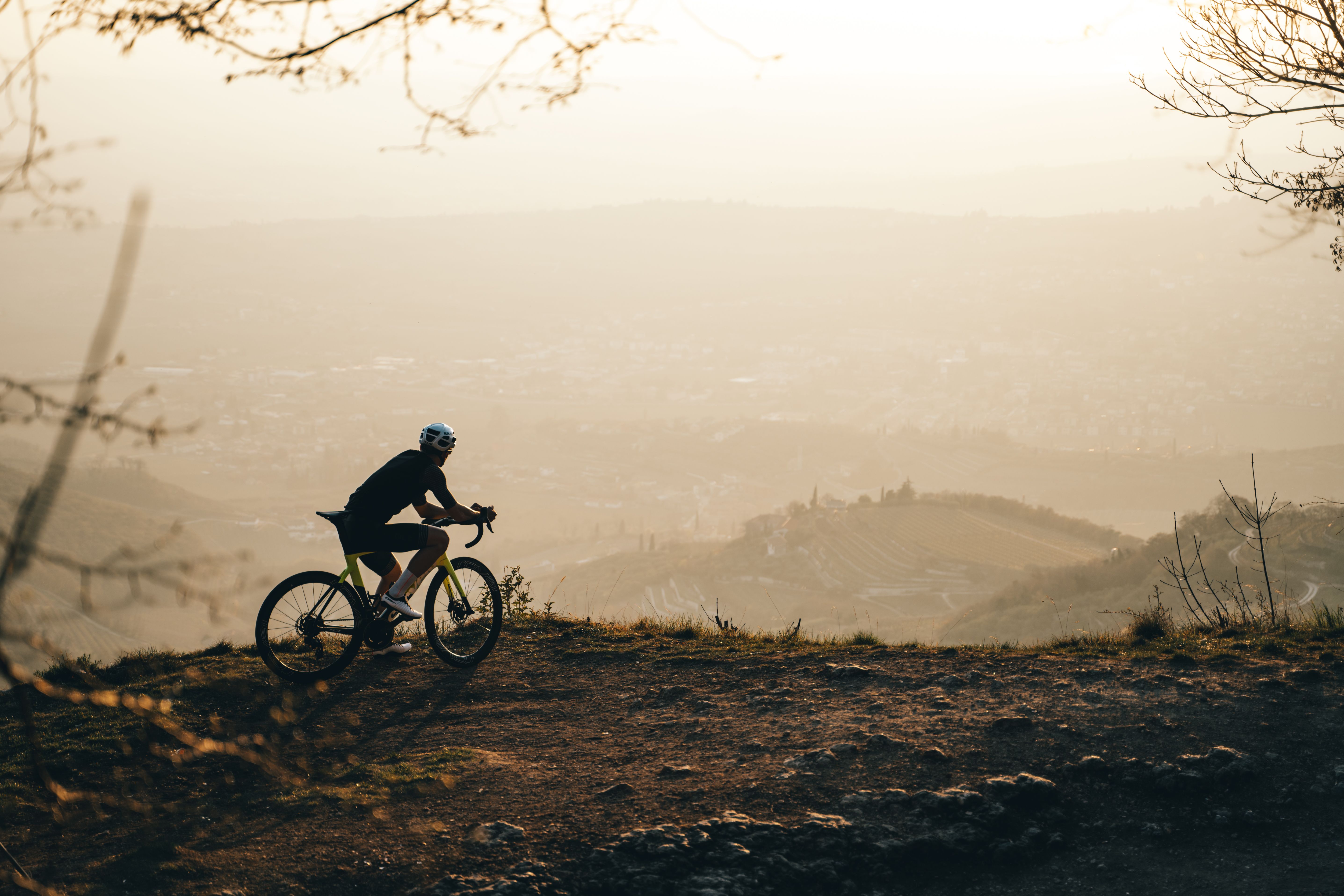
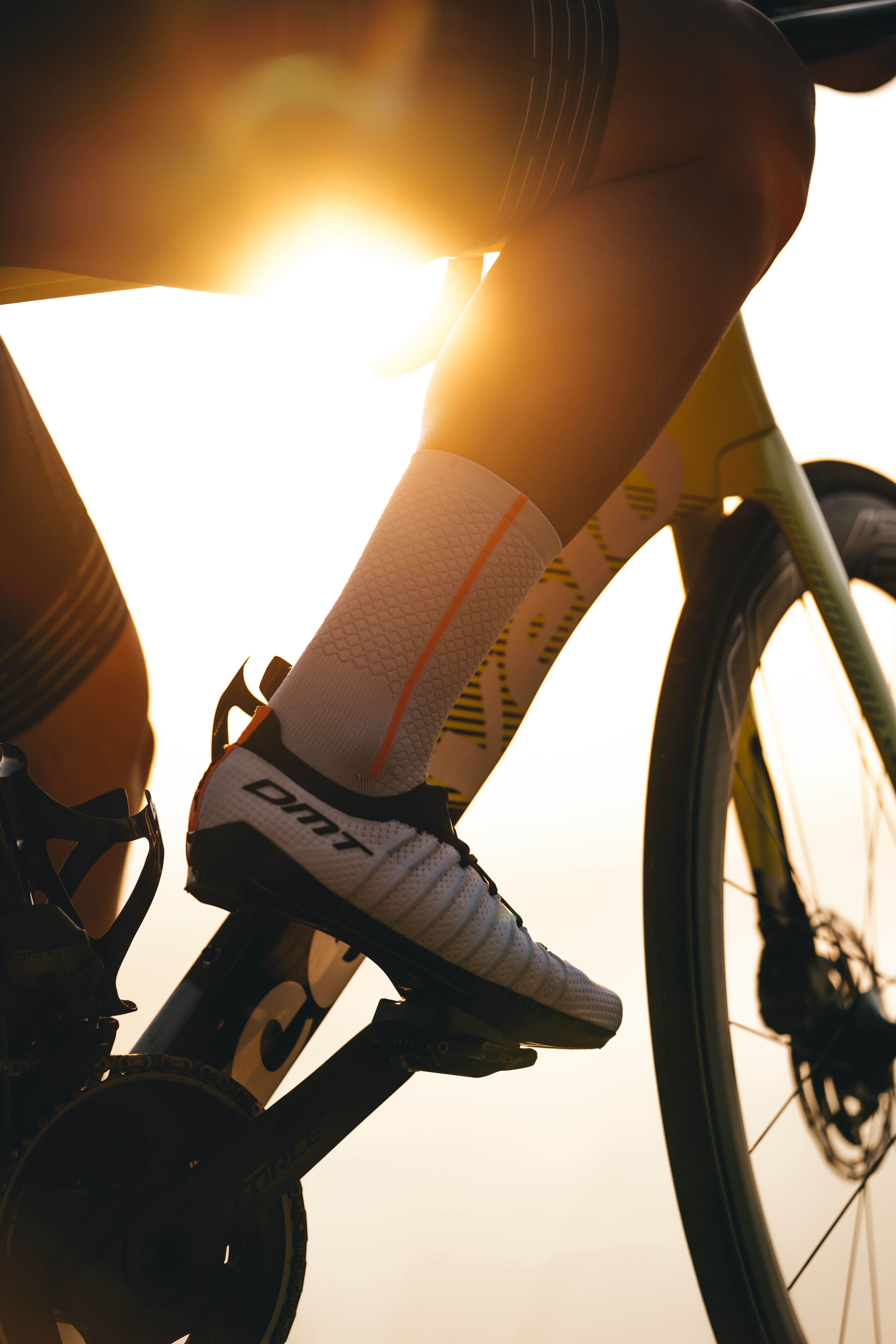
For road bike bikepacking, prioritize an endurance or allroad geometry over an aggressive race geometry, look for at least 32 mm of tire clearance, make sure the bike has disc brakes, and check for mounting points if the frame offers any. Narrow drop bars mean you will want road-specific bags, and if your frame is carbon, take extra care when strapping anything directly to the tubes. Aero bars are also a popular upgrade for long distances, more on that in the FAQ below.
Pros: the fastest option on the road, the most efficient use of your energy, light overall, and every climb feels like fun rather than a grind.
Cons: limited to good surfaces, minimal luggage capacity, fewer mounting points, and less comfort over very long days.
The best road bikes for bikepacking
The Bianchi Impulso is a versatile endurance road bike with a comfortable, stable geometry that suits long, loaded days just as well as it suits a fast weekend ride. Take a look at all Bianchi Impulso bikes on Bikeflip
If you want a bit more room for chunkier tyres and rougher tarmac, the Bianchi Arcadex leans further into gravel-friendly clearance while keeping the fast, road-oriented feel. Check out all Bianchi Arcadex bikes on Bikeflip
Need help choosing between these two? Read the full comparison article here.
Canyon Endurace is the more classic road option if you want less off-road margin and more pure speed. Scroll through all Canyon Endurace bikes on Bikeflip
The Specialized Roubaix brings dedicated comfort tech that pays off on long days in the saddle, while the Trek Domane offers generous clearance, IsoSpeed comfort, and some models even come with internal frame storage. Browse all Specialized Roubaix bikes on Bikeflip
Discover used road bikes on Bikeflip: browse all road bikes →
Looking for an entry-level road bike? Check out our top picks here.
Bikepacking routes in Europe: real routes for each bike type
Want route inspiration to go with your new bike? Check out our guide to the best gravel and bikepacking trails in Italy, including the Molise Trail, Tuscany Trail and more.
Buying a used bike for bikepacking
A used bike is often the smartest way to get started with bikepacking. Reliability matters far more than having the latest groupset, and a well-maintained bike can perform just as well for multi-day adventures while costing significantly less.
Before buying, check these key areas:
Frame: look for cracks, dents or signs of crash damage.
Bearings: headset, bottom bracket and hubs should spin smoothly without play.
Chain & cassette: excessive wear means costly replacements.
Wheels: make sure they're true and free from dents or broken spokes.
Tyres: check for worn tread, cuts or cracked sidewalls.
Buying through Bikeflip? Every bike comes with buyer protection and insured shipping, making it easier to find a reliable used bike for your next adventure.
How much should you spend on a bikepacking bike?
Your budget shapes your options just as much as your terrain does. Here is roughly what to expect at three common price points, and how buying used shifts what you get at each one.
Bikepacking bike under €1,000
At this level, new bikes mean entry-level components and basic frames. Look at aluminium gravel bikes such as the Cube Nuroad or Decathlon Triban GRVL, or a simple aluminium hardtail such as an entry Canyon Grand Canyon or Trek X-Caliber. Buying used at this budget often gets you a higher original spec than buying new, since you are picking up last year's mid-range bike instead of this year's entry-level one.
Browse bikepacking bikes under €1,000 on Bikeflip →
Bikepacking bike under €2,500
This is where most riders land, and it is a strong sweet spot for bikepacking. New or used, you can expect a proper gravel bike such as the Canyon Grizl, Rose Backroad or Orbea Terra, a hardtail such as the Canyon Grand Canyon in a higher spec, or an endurance road bike such as the Canyon Endurace. Components are more reliable, tire clearance is generous, and mounting points are plentiful.
Browse bikepacking bikes under €2,500 on Bikeflip →
Bikepacking bike under €5,000
At this budget, you are typically looking at carbon frames and higher-end groupsets: a Canyon Grizl or Grail in a carbon build, a Specialized Roubaix or Trek Domane with premium comfort tech, or a full suspension XC bike such as the Specialized Epic for technical routes. Buying used here can mean picking up a bike that costs significantly more, with the savings going straight into your bags, bikepacking gear or your next trip.
Browse bikepacking bikes under €5,000 on Bikeflip →
Whatever your budget, remember that a well-maintained used bike almost always beats a new bike at the same price when it comes to reliability, which is exactly what matters most on a loaded, multi-day ride.
Conclusion: which bike should you choose for bikepacking?
Choose your bike based on the route: road bike for asphalt, gravel bike for mixed terrain, and a hardtail MTB for trails and mountains. The newest bike is not essential, a well maintained used bike is often the smarter choice. Before a long adventure, test your setup on a short overnight ride. Experience from thousands of Bikeflip sales shows that the best bikepacking trips come from choosing the right bike for the terrain, not the most expensive one.
Ready to find your bike? Search all used bikes on Bikeflip →
How do you get your bike to the start of your route?
Not every bikepacking trip starts from your front door.
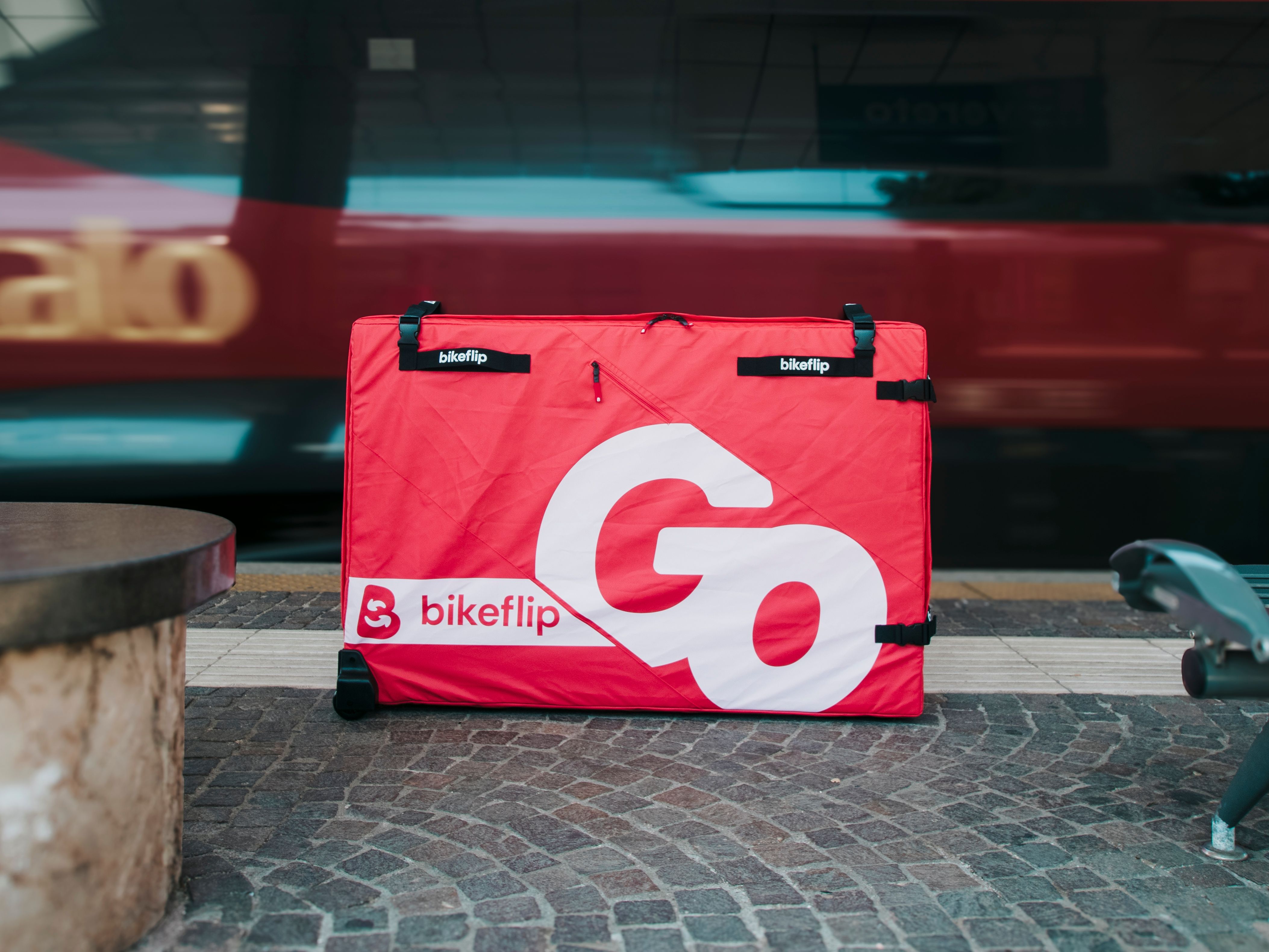
This is exactly what Bikeflip Move is for. It is Bikeflip's bike shipping service, offering insured, door-to-door delivery across Europe with patented packaging built specifically for bikes, so you can send your bike ahead to the start of your route, or ship it home after a one-way trip, without carrying it on a train or flight yourself.
Frequently asked questions about bikepacking bikes
What is the best bike for bikepacking?
For most riders, a gravel bike is the best all-round choice, since it combines road bike efficiency with enough off-road capability for gravel roads and light trails. Your specific terrain should still be the deciding factor.
Do I need aero bars for bikepacking?
Aero bars are not necessary, but they are a popular upgrade for long-distance rides. They give you an additional hand position, help relieve pressure on your wrists, and offer a small aerodynamic benefit on long asphalt stretches.
Hardtail or full suspension for bikepacking?
A hardtail is the better choice for most bikepackers, since it is lighter, cheaper, easier to maintain and leaves more room for a frame bag. Full suspension makes sense mainly for genuinely technical, alpine terrain.
Can I go bikepacking on a normal bike or a Brompton?
Yes, start with what you already have. A Brompton or another folding bike works well for light touring, especially when combined with train travel, though you will run into limits with luggage capacity and comfort on longer or rougher routes.
How much does a good bikepacking bike cost?
A new solid gravel bike typically starts around 1,000 to 1,500 euros, with hardtail MTBs and endurance road bikes in a similar range, and prices climbing quickly from there depending on the groupset. Buying used on Bikeflip typically saves you 30 to 70% on the same proven models, which is often the smarter way to get started.
Can you use a carbon bike for bikepacking?
Yes, as long as you pack carefully. Carbon frames are perfectly suitable for bikepacking, but avoid overtightening straps directly onto the frame and use protective tape where bags make contact to prevent cosmetic damage.
How wide should bikepacking tyres be?
It depends on the terrain. Around 32–35 mm is ideal for road-focused routes, 40–50 mm works best for mixed gravel riding, while 2.2-inch or wider tyres provide the comfort and grip needed for technical trails.
Is aluminium or steel better for bikepacking?
Both are excellent choices. Aluminium is lighter and more affordable, while steel offers a smoother ride and is easier to repair if you're travelling in remote areas. For most riders, either material works well.
How much weight can a bikepacking bike carry?
Most bikepacking setups carry 8–15 kg (18–33 lb) of gear without affecting the bike's handling too much. The exact limit depends on the frame, wheels and the type of terrain you'll be riding.
Can I bikepack without mounting points?
Yes. Modern bikepacking bags attach securely with straps, so you don't necessarily need eyelets or rack mounts. However, extra mounting points give you more flexibility and make it easier to distribute your luggage efficiently.